
From Creative-AI as a Tool to Creative-AI as a Medium?
What technical and social forces are driving this change, which debates define it, and what might it mean for different stakeholders?


Recap: AI as Tool vs. AI as Collaborator
In our last article, we looked at the tension between control and letting go in the creative arts industry when working with AI. Across dozens of conversations with creators, founders, and innovators, a clear pattern emerged: most creators saw AI primarily as a tool - a way to speed up or streamline parts of their work, especially in the early stages of ideation. They stressed the importance of keeping control over interfaces, outputs, and final results, ensuring the work would still be recognized as their own.
At the same time, founders in the AI creativity space and technically minded artists described AI as a collaborator, a partner capable of sparking novel ideas and elevating both their process and their final work. They chose when to loosen their grip, and for them, that deliberate act of letting go was itself an artistic choice, one that didn’t diminish their ownership of the result.
A Paradigm in Transition: Signs of a New Medium
But in the past few months, it’s become clear that even the tool-versus-collaborator framing may be too limited. Just as in the broader AI ecosystem, the creative arts are undergoing a shift of historic scale - the kind that happens only once in decades, or even centuries.
In the video generation and production field alone, new tools, models, and versions launch almost daily, each requiring fresh skills to master. Alongside these new tools, fast-growing AI creator communities have sprung up around the world. Unlike past industry waves, many of these communities are filled with people who have little to no formal artistic training. AI is not only expanding traditional workflows - like visual effects, image enhancement, or melody composition - but also enabling fully AI-driven creations.
In visual art, generative work is not only mimicking photography and painting but more commonly pushing abstraction into entirely new territory. These pieces aren’t just “faster” or “cheaper” takes on traditional media - they’re carving out new formats, aesthetics, and expectations. From gallery shows dedicated to AI art, to 48-hour AI-only film challenges and an annual AI film festival, a whole new ecosystem has formed.
In the filmmaking and AI video world, this evolution has also fueled one of the field’s fiercest debates. On one side, proponents like Cristóbal Valenzuela, CEO of Runway, champion AI video as “a new medium with its own affordances, primitives, and possibilities - one that is cultivating its own audiences and nurturing a new generation of creators.” On the other, critics like David Ehrlich of IndieWire dismiss it outright: “AI is not art. It doesn’t want to be art, or to enrich art, or to inspire more art”, and calls it an “invasive species to the concept of storytelling”. Yet despite their opposing views, both camps converge on one point: AI video belongs in a category of its own, separate from traditional filmmaking.
The Emerging Medium: Early Traits of AI Video
The emerging AI video trends are inseparable from the nature of AI itself: the novel possibilities it opens up, as well as the constraints it still carries.
Structure: The Rise of Micro-dramas
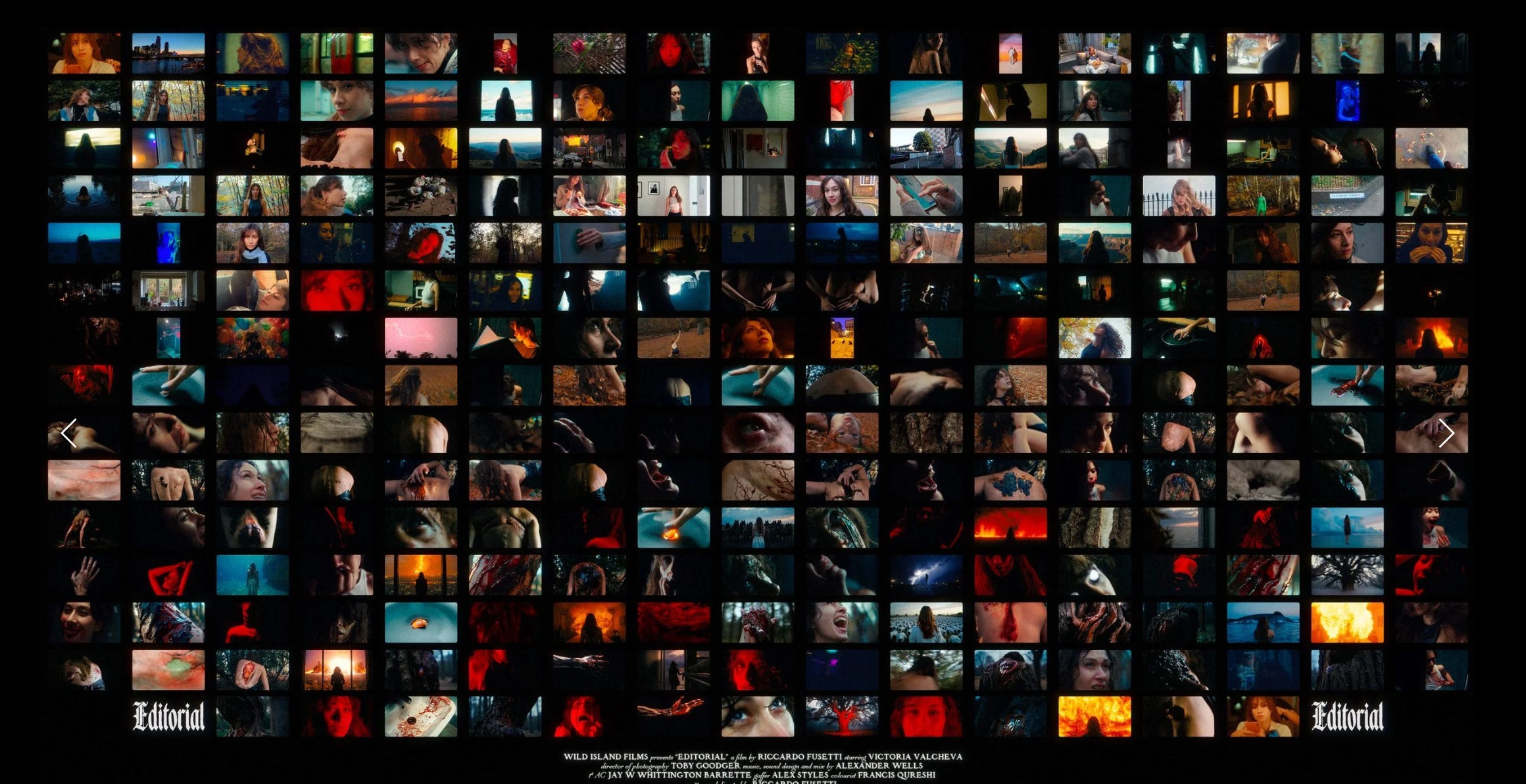
So far, many AI-native videos take the form of “micro-dramas” - short, intense pieces that compress storytelling into just a few moments. At the Runway AI Film Festival, for example, the short film Editorial followed a melancholic woman whose recent life events were revealed through dozens of fragmented, seconds-long flashbacks. Often shown from a distance, her face rarely fully visible, the story unfolded through absence and mystery. Another common format is the hyper-realistic trailer for a film that doesn’t exist - where the preview itself is the finished work, with no feature behind it.
A key driver of these emerging formats is the limitation of today’s generative video tools. Most can only produce clips that last a few seconds. Even standout platforms like Google’s VEO3 cap out at eight seconds per clip, while Midjourney currently generates five-second clips, extendable up to four times for a total of about 20 seconds. (Although by the time you read this, those numbers may already have shifted). The result: producing even a five-minute AI film remains a technically complex feat.
But length of clips isn’t the only hurdle. A more fundamental challenge for long-form storytelling is the notorious problem of character consistency. In traditional filmmaking, “character consistency” usually means keeping a character’s clothing, background, and posture aligned within a scene, even if it was shot at different times and locations. This is managed by production assistants who track every detail. For storytelling, this is critical: following a character’s journey is the backbone of narrative.
In AI video generation, however, the challenge is far greater: ensuring the characters themselves appear consistently across different scenes, environments, and situations. With today’s tools, it is often difficult, sometimes impossible, to generate the exact same figure across multiple clips. Skin tone, symmetry, and other physical features may shift subtly and inconsistently between versions. To compensate, creators resort to millisecond-long frames so viewers won’t notice sudden changes, as in the “melancholic woman” short film mentioned earlier.
While progress is moving fast, creators still rely on workarounds - a frequent topic in industry forums. On the technical side, methods like LoRAs (Low-Rank Adaptation) allow creators to train a character from multiple images, producing near-identical appearances across outputs. LoRAs can be effective, but they demand long workflows, technical expertise, and developer-level tools. Many artists who lack the technical skills to work with LoRAs resort to manually patching characters in Photoshop and similar software, a cumbersome and time-consuming process.
Character consistency has become one of the hottest battlegrounds in the video AI race. The company that cracks it first is likely to capture a major share of the market, as consistent characters are essential for scaling AI filmmaking from short experiments into longer, story-driven works.
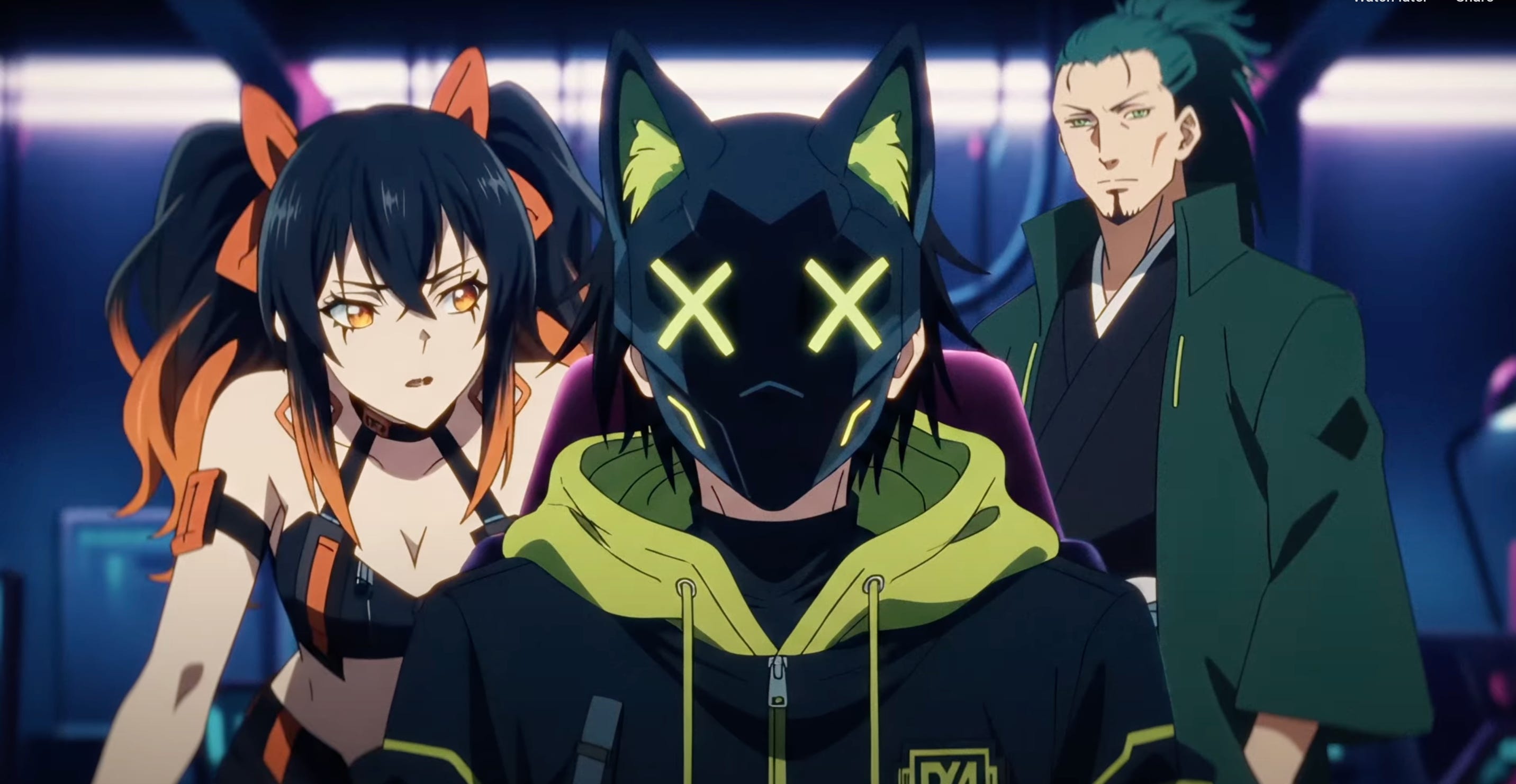
Style: Bright, Fast, Supernatural, Anime
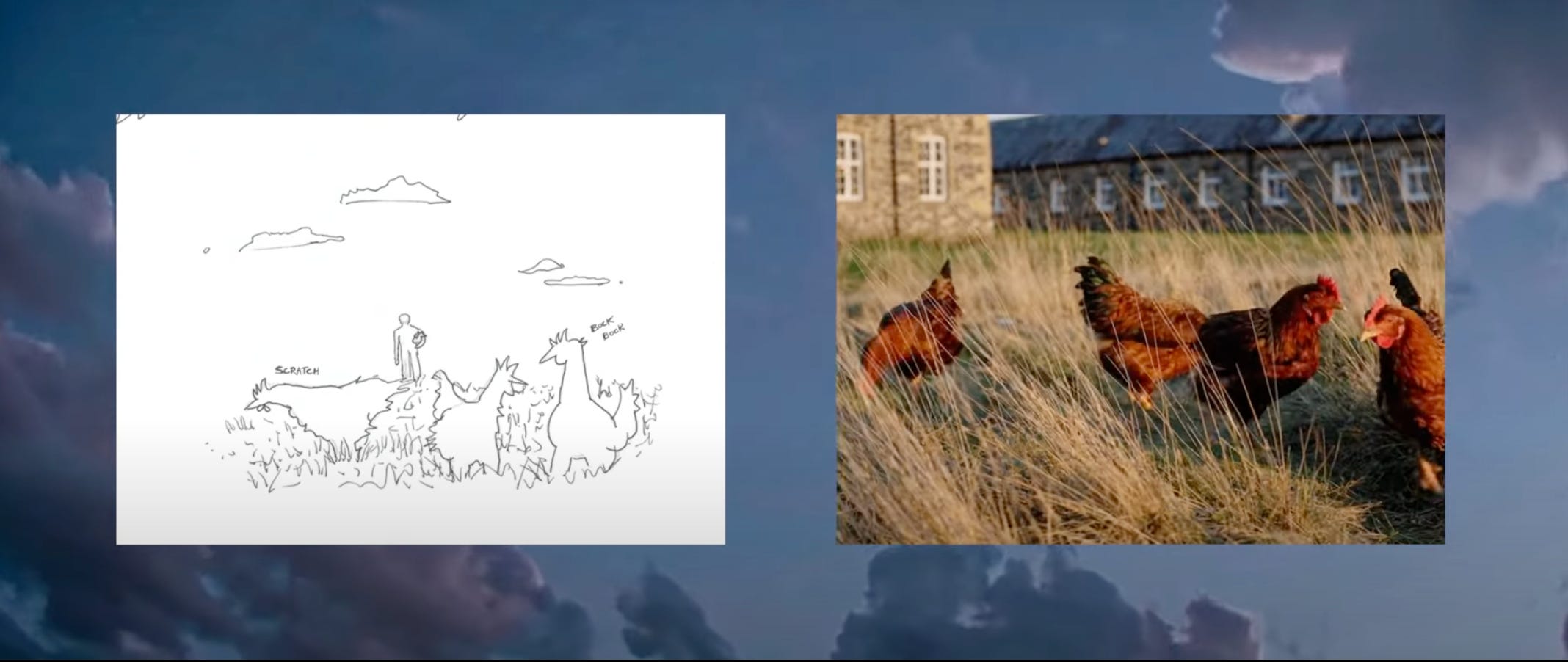
Many AI films feel like sci-fi on steroids, leaning into the surreal, the supernatural, and the anime-inspired. Some works explore non-human perspectives: JAILBIRD, a film at the Runway AI Film Festival depicted the world through the eyes of chickens to promote animal welfare, while another unfolded entirely from a tiny insect’s point of view - blurry greenery and frenetic, fast-paced shots creating an alien yet strangely familiar experience.
These choices can certainly be seen as bold artistic experiments, enabled by AI’s unprecedented ability to conjure worlds that once required professional crews, large budgets, actors, makeup, costumes, trained animals, and months of production. But they also serve a practical purpose: supernatural or non-human characters make it easier to mask AI’s current struggles with character consistency. Our brains are less likely to catch subtle inconsistencies in alien, surreal, or non-human figures than in realistic ones.
Content: Philosophical
Many AI films gravitate toward sweeping philosophical questions and allegories about technology’s place in the world. Prompted, a recent winner of Runway’s 48-hour challenge, for instance, featured a human body with an Earth for a head, slumped on a therapist’s couch. He recounts his heartbreaking story: after years waiting in what looked like a DMV waiting room, he was finally chosen to be “prompted” by humans, only to be discarded in favor of a more muscular, better-looking version. Another film follows an alien scientist who discovers a small, magical creature and brings it back from another planet to his own. At first, he nurtures it with care, but the creature grows larger each day until it ultimately consumes the entire planet, along with the scientist who raised it. While there can be many interpretations, the film’s title, Invasive Species, brings me back to David Ehrlich’s critique of AI and how the AI–human relationship might evolve.
Parables like these — dense with metaphor and heavy-handed symbolism — are everywhere in today’s AI video scene. As technology evolves at breakneck speed, the uncertainty, anxiety, and existential questions it generates are finding their way into the heart of this emerging medium, with creators experimenting with new symbolic forms to reflect the state of modern society.
Bias and Lack of Diversity
One striking feature of today’s AI-generated video work is how homogenous its representations tend to be. The characters often conform to a narrow standard of beauty: symmetrical faces, flawless skin, and thin and muscular bodies. Beyond this lack of diversity, the outputs frequently replicate familiar cultural norms and stereotypes. Women are more often shown in minimal clothing or overtly sexualized poses, while men appear disproportionately in suits or as formidable warriors.
This connects to a larger issue at the heart of all generative AI ethics discussions: the tools inevitably reflect the data they are trained on, which is often selective and unrepresentative of much of society, much like history books or traditional mainstream arts. With today’s models, creators must be especially intentional and deliberate if they want to produce work that is truly diverse.
This raises a broader question: who are the new AI creators? At many events and forums, the field appears to be dominated by men. Is this simply a continuation of long-standing imbalances in filmmaking? A reflection of the technical skills currently needed to use these tools? Or perhaps a hesitation among women to enter a space that still feels uncertain and underdefined?
Whichever the answer, it is clear that as creative AI emerges as a new medium, it still struggles to capture the full multiplicity of human experience, too often narrowing itself to familiar archetypes.
The Path Ahead
What makes this moment unique is that both tech giants and startups are building foundational creative AI models. Google, OpenAI, and Meta leverage massive compute and data advantages, while companies like Midjourney, Runway, and Decart experiment nimbly, developing models tuned for artistic workflows, distinctive aesthetics, and fast-growing creator communities. Several trends will shape where this field goes next:
· Innovation and adoption are bubbling from the ground up; companies that nurture strong creator communities will be the first to reach true product–market fit.
· Aggregation and seamless integration into existing creative workflows will determine which platforms scale.
· And perhaps most importantly, solving the technical and artistic challenge of character consistency will be a turning point for long-form storytelling.
AI filmmaking carries enormous potential to expand narratives and help us imagine the world differently. Its future will not be defined by tools alone, but by the communities that gather around them, the norms they choose to replicate or resist, and the voices they elevate.
 | A guest post by
|